
Sustainable construction extends far beyond energy-efficient building designs and environmentally friendly materials. The source of the aggregates use
Sustainable construction extends far beyond energy-efficient building designs and environmentally friendly materials. The source of the aggregates used in concrete, asphalt, road construction and infrastructure development plays an equally important role in determining the overall sustainability of a project.
Aggregates remain the most widely used bulk construction material in the world, with billions of tonnes extracted annually for use in roads, bridges, dams, hospitals, schools, commercial developments and housing projects. As urbanisation and infrastructure investment continue to accelerate, demand for quality aggregates is expected to increase significantly.
While aggregates are indispensable to modern development their extraction can have substantial environmental and social impacts if not managed responsibly. For this reason, construction companies worldwide are increasingly scrutinising the origin of the materials they specify and procure.
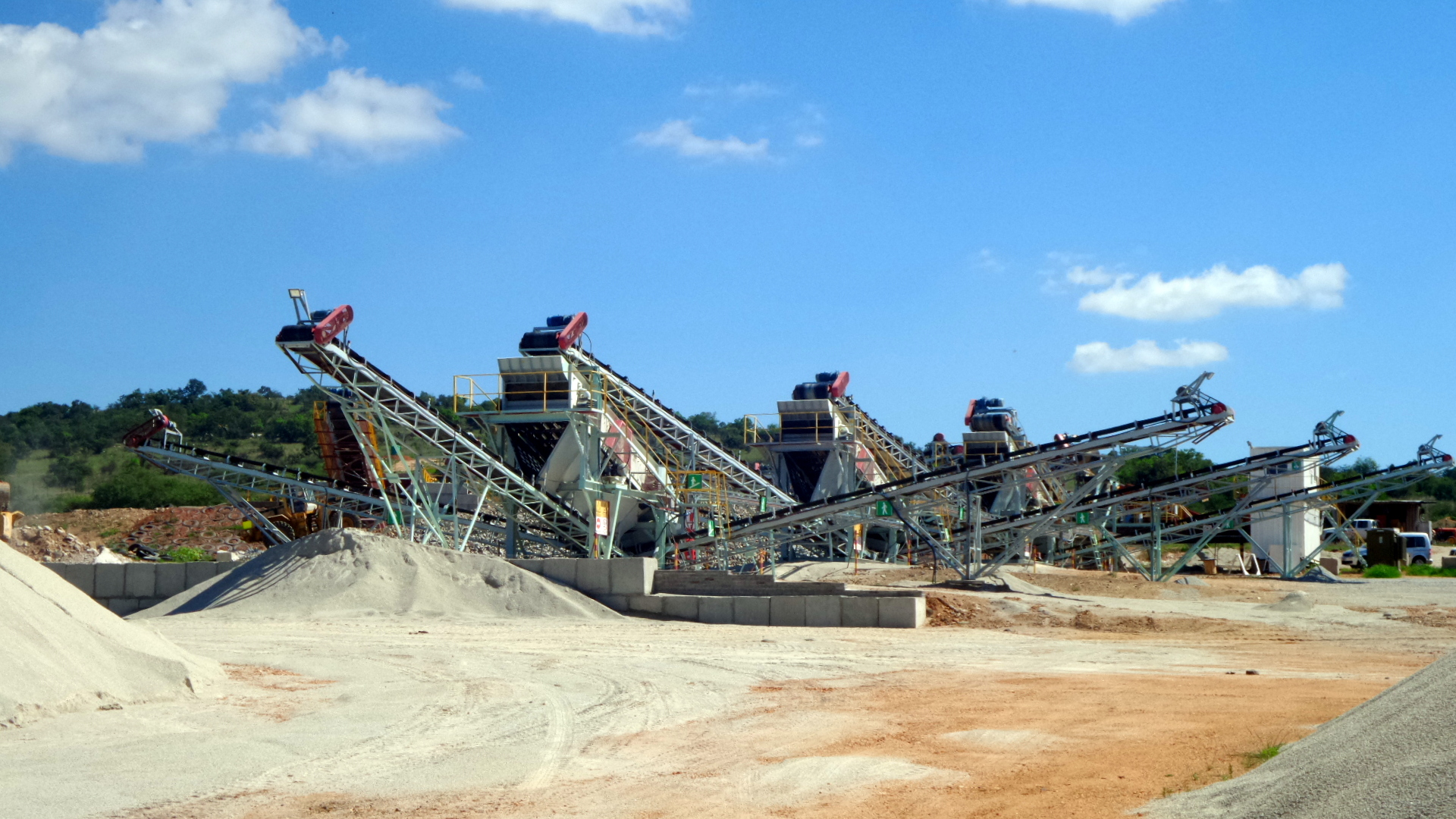
Sustainable aggregate production begins with the responsible development of quarry resources located within suitable geological formations. Modern quarrying operations are planned around long-term resource management and efficient extraction practices to minimise waste and maximise the use of available reserves.
Reputable producers operate within strict environmental management frameworks that address issues such as dust suppression, noise control, water management, biodiversity protection and progressive rehabilitation. These measures help reduce the environmental footprint of quarrying while ensuring compliance with applicable legislation and industry best practices.
Equally important is the rehabilitation of quarry sites once extraction activities have been completed. Quarrying is a temporary land use and successful rehabilitation programmes can restore land to productive agricultural use, conservation areas, recreational facilities or other beneficial post-mining purposes.
The procurement of aggregates from professionally managed quarries supports a formal industry that creates stable employment opportunities and which invests in local communities as well as maintaining high standards of occupational health and safety.
Responsible operators invest heavily in human resources and capital equipment while operating in accordance with management systems and environmental management programmes. These investments contribute to a reliable supply of consistent, high-quality materials while reducing operational risks throughout the construction supply chain.
By contrast, aggregates sourced from unregulated operations may not meet the same standards for environmental stewardship, worker safety, product quality or legal compliance. The long-term costs associated with poor-quality materials and unsustainable extraction practices can far outweigh any short-term procurement savings.
Key Principles of Sustainable Quarrying
The modern aggregates industry increasingly measures sustainability against several core principles:
• Maintaining a no-harm approach to employee, contractor and visitor safety.
• Minimising environmental impacts during extraction and processing activities.
• Implementing progressive rehabilitation and responsible closure planning.
• Maximising resource efficiency through optimal extraction, processing and transport practices.
• Supporting circular economy initiatives through recycling and the beneficial use of by-products.
• Operating in full compliance with legislation and recognised industry standards.
• Engaging openly with surrounding communities and stakeholders.
• Collaborating with research institutions and industry bodies to develop improved environmental and operational practices.
• Promoting transparency and accountability throughout the production process.
As the construction sector places increasing emphasis on sustainability the sourcing of aggregates will become an increasingly important consideration for infrastructure planners. True sustainability in South Africa with all its cost pressures requires confidence that the materials used to make concrete have been produced responsibly by selecting aggregates from reputable producers. In this way the concrete industry can help ensure that essential infrastructure development is achieved while protecting natural resources for future generations.
