
Using factory-batched readymix concrete is growing in use across South Africa due to its ease of use and often superior quality thanks to batching in
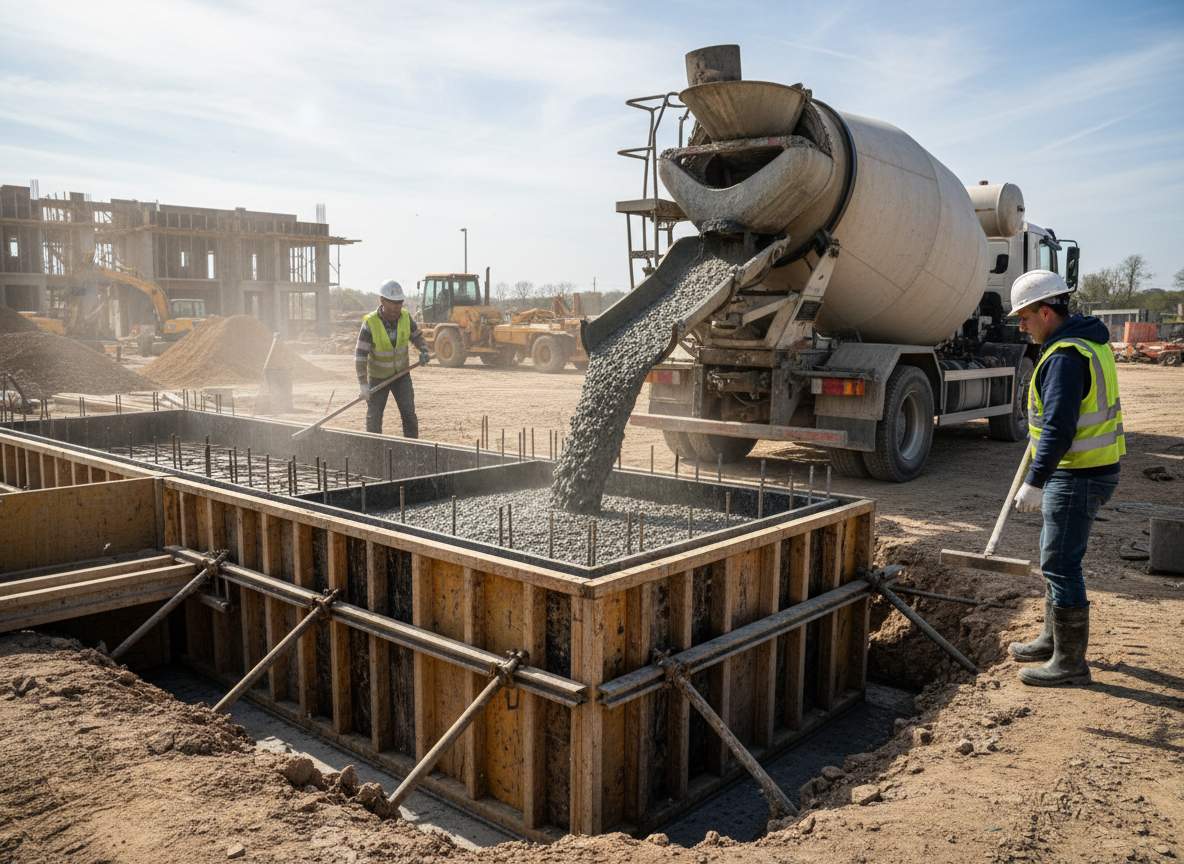
Using factory-batched readymix concrete is growing in use across South Africa due to its ease of use and often superior quality thanks to batching in a controlled environment under close supervision.
Wherever quality or time is of the essence building contractors are increasingly using readymix as it gives them the ability to specify quality as well as schedule labour around the delivery times. Concrete Connect looked at online sales of readymix and found the most compelling reasons these suppliers give potential customers reasons why to buy their products. For builders who have not used readymix concrete before or for those who are working their way up to larger contracts here are some very good reasons to consider purchasing readymix concrete rather than relying on insitu mixing:
1. Consistent, verifiable quality
Ready-mix is produced under controlled conditions with precision batching including calibrated weighing systems, moisture measurement and routine testing. This enables suppliers to ensure each truckload meets the design mix and target strength consistently. That level of repeatability is difficult to achieve with site-mixed concrete and reduces the risk of structural defects.
2. Compliance with standards
Readymix production and supply is governed by SANS specifications (for example SANS 878 for ready-mixed concrete). Using a responsible supplier helps ensure mixes are delivered in line with national standards. By controlling the quality of concrete used on site builders can work to specification and avoid liability in the event of defects.
3. Faster placement
Because concrete arrives ready to place construction can proceed faster with controlled pours. This improves scheduling and reduces on-site labour hours and lowers occupation time for temporary works.
4. Reduced labour and site disturbance
Readymix eliminates the need for on-site batching plant extra manpower and the variability that comes with manual mixing. That lowers labour cost, reduces dust/noise and makes congested urban or restricted sites far easier to manage.
5. Minimised waste
Batch plants measure ingredients precisely so material wastage and over-ordering drop. Less rejected concrete and fewer re-works translate into real cost savings once quality, repair and downtime are accounted for. It also reduces shrinkage and defers the danger of spoiled cement due to rain or other environmental factors.
6. Complex and specialised mixes are available
Modern readymix plants deliver pumpable mixes, high-strength grades, self-compacting concrete (SCC), fibre-reinforced mixes and mixes tailored for durability (chloride exposure, sulfate resistance, etc.). Specifying a type of concrete lets you call up the exact performance you need without trial-and-error on site.
7. Better site housekeeping
Fewer mixers relate to less manual handling and cleaner deliveries reduce slip/trip hazards and cement exposure risks for labourers. Cleaner sites also speed inspections and handover which contractors and clients both value.
8. Technical support and testing
Established suppliers provide mix design, trial batches, slump control, delivery documentation and often on-site technical assistance. Many supply labs carry out compressive strength testing and supply certificates that support QA/QC records.
9. Scalability
Whether you order a few cubic metres for a house slab or hundreds for a dam wall readymix plants can scale production while keeping the same mix specification. For large tenders this consistency is vital to maintain structural performance and programme rhythm.
10. Environmental and material efficiencies
Central batching enables optimisation of cement content, use of supplementary cementitious materials (fly ash, slag) and more accurate water control which reduces embodied carbon per cubic metre when mixes are designed that way. Modern plants also manage washwater and aggregate handling better than ad-hoc site batching.
