
Without real-time visibility into the client cement silo levels logistics teams are left at the mercy of last-minute orders and this has a negative ef
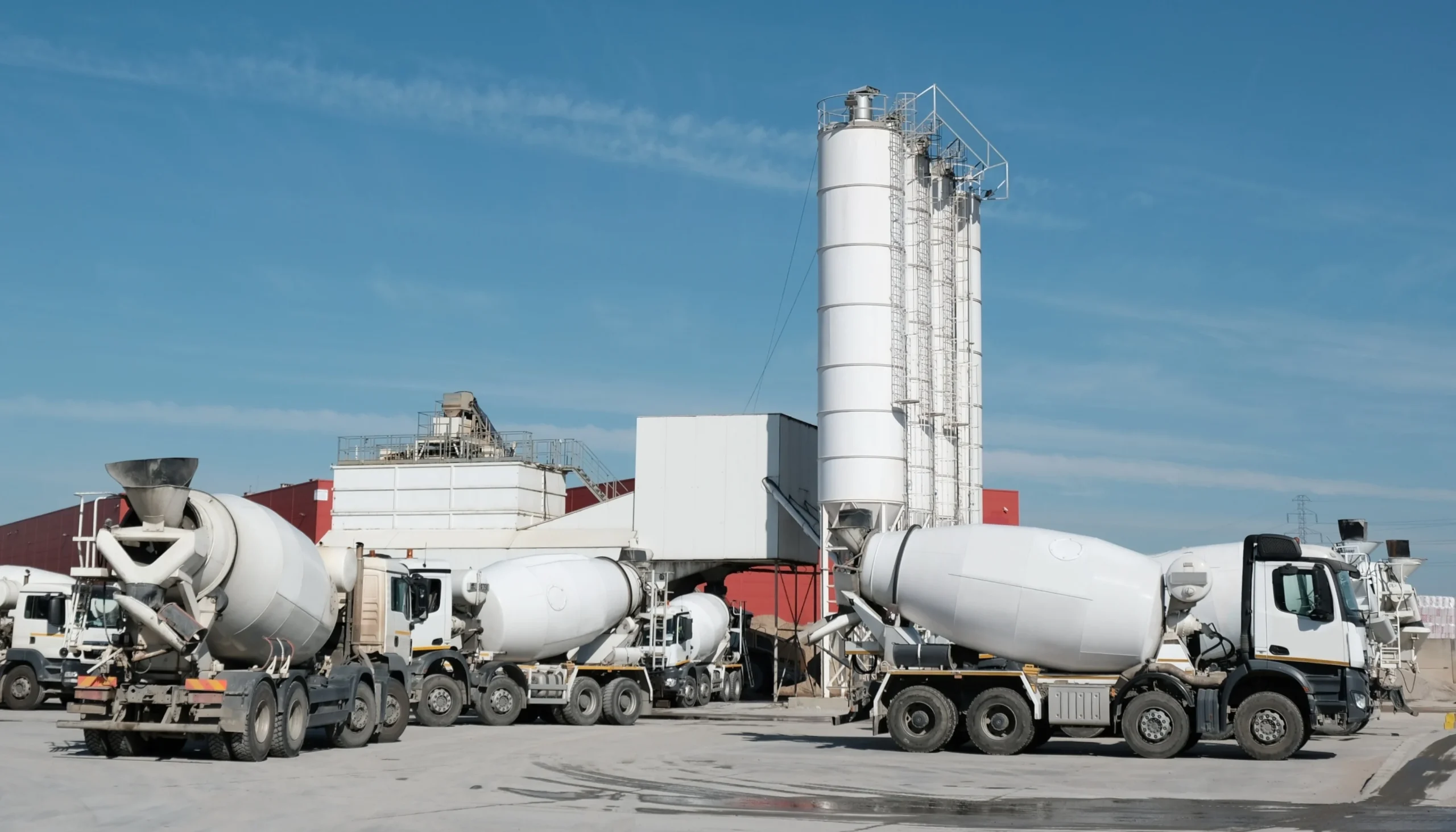
Without real-time visibility into the client cement silo levels logistics teams are left at the mercy of last-minute orders and this has a negative effect on the cement industry’s fleet management.
The result is that oversized fleets are maintained solely to absorb morning demand peaks with trucks idling in the afternoon. For a logistics director managing several sites it means starting each day already behind a schedule with his team chasing silo levels by phone and covering emergency runs.
It does not have to work this way, says Mathieu Crochin, Africa sales manager for technology company Nanolike, the supplier of SiloConnect solutions in South Africa. “By shifting from a reactive model to a predictive one based on Vendor Managed Inventory (VMI), it is possible to reverse this dynamic.”
This is how real-time data access enables smarter logistics using fewer trucks:
• Delivery is triggered automatically once a silo has room for a full truckload with no more manual level checks or phone calls required
• Cement manufacturers globally report cutting morning delivery peak by 6 percent and shifted volume to the afternoon.
• Fewer emergency shipments and better use of owned and third-party trucks mean lower transport costs for the same delivery volume.
Crochin continues that historically delivery management has relied on time-consuming processes with routine calls to plant operators, manual inventory checks and constant negotiations for delivery slots. Deploying a simple electronic VMI system on client silos fundamentally changes how teams operate. By relying on 24/7 fill-level data that is automatically collected and shared logistics teams no longer need routine calls.
They shift from a reactive stance to initiative-taking scheduling. Consequently a delivery can be triggered automatically as soon as a silo frees up enough space for a full truckload. The system sends an alert the moment that threshold is reached. The daily challenge is no longer finding a truck for an emergency run but rather optimizing dispatch schedules to deliver more tons with the same fleet.
Holcim France example
“Across the globe the challenges are the same. Morning congestion is a major pain point in cement logistics and before adopting SiloConnect to digitalize its silo monitoring, Holcim France’s logistics were heavily concentrated in the early hours of the day which severely limited operational flexibility.
“Without visibility into client silo levels most orders had to be placed early in the morning which created daily delivery peaks and made proactive planning almost impossible. Through predictive scheduling and anticipating customer needs the company successfully rebalanced its flows and reduced morning peaks with deliveries made before 9:00am dropping by 6 percent (from 34% to 28%). Afternoon surge deliveries scheduled between 3:00 p.m. and 6:00 p.m. more than doubled (from 9% to 21%). This more even distribution drastically reduced congestion at peak hours and improved overall operational flexibility.”
Crochin explains that balanced delivery schedules translate directly into lower transport spending. For the finance department the benefits are concrete and measurable and smoothing deliveries across the day and anticipating client orders the company can significantly reduce emergency shipments which are often the most expensive to execute. In addition, it can optimise both owned and third-party transport fleets, as well as reduce the total number of trucks required to manage the exact same delivery volume.
Behind these productivity gains lies a major human advantage of stress reduction. Smoother schedules mean optimised driver shifts with less idle time waiting at the plant and customers who never have to worry about running out of stock.
Nathalie Herrero, Logistics and Planning at Holcim France, sums it up, “With SiloConnect, we managed to smooth out our deliveries throughout the day, reducing the morning rush and optimizing truck usage. It has brought peace of mind to our teams and customers with fewer last-minute changes, less time on the phone and greater flexibility in planning our routes.”
When silo levels are visible 24/7 scheduling becomes a planning exercise instead of a daily emergency. By connecting silos and adopting a VMI approach logistics stops being a reactive cost centre and becomes a real driver of profitability and customer satisfaction.
