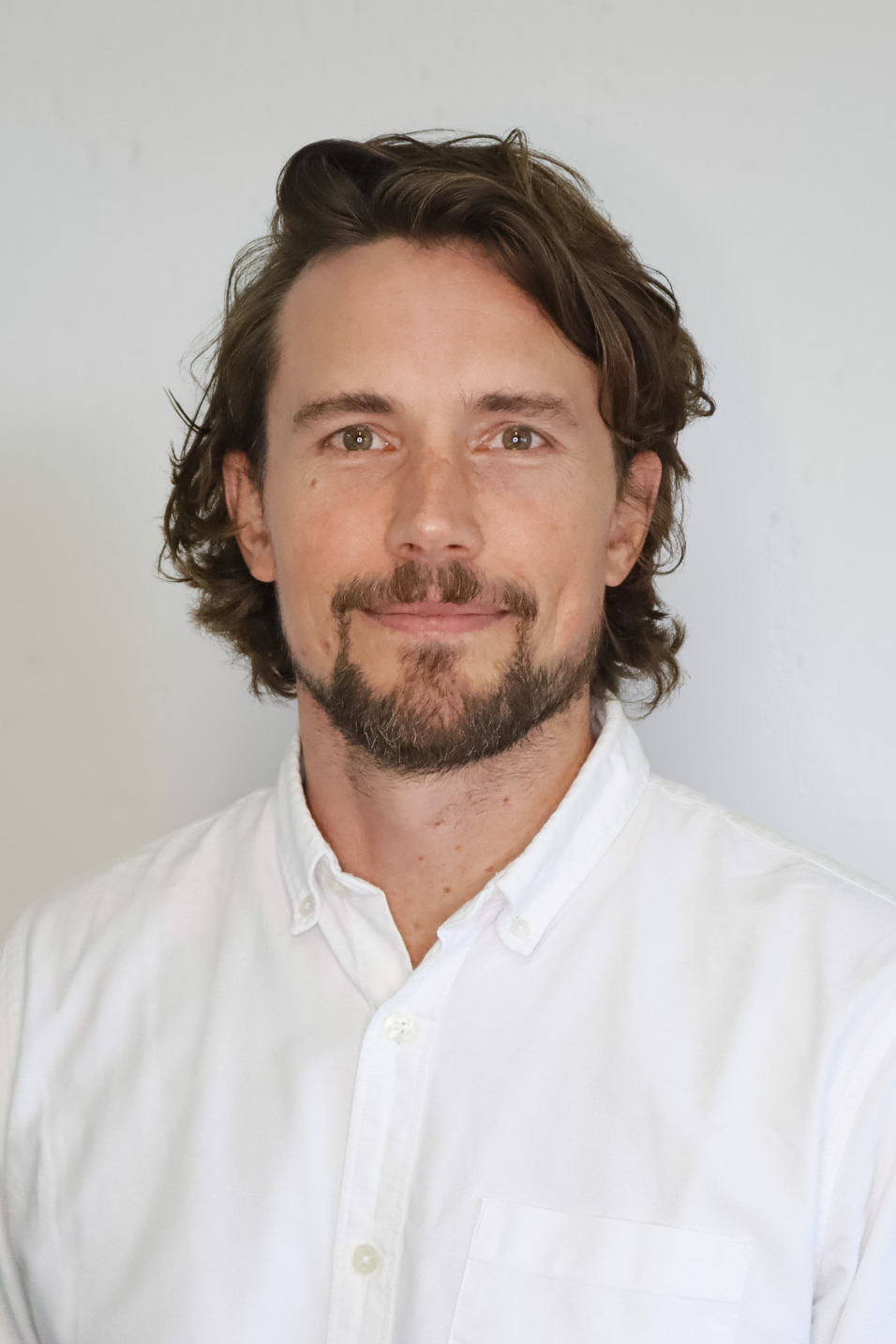
When industrial water treatment company G-Chem Aquacare’s CEO Shaun Golding looks at water he knows that it is not ‘one size fits all’ and that each s
When industrial water treatment company G-Chem Aquacare’s CEO Shaun Golding looks at water he knows that it is not ‘one size fits all’ and that each sample may have a different pH, total dissolved solids (TDS) and mineral content.
In order to manufacture quality concrete it is important to understand that water differs from region to region depending on geography or human intervention and companies like G-Chem Aquacare can draw on strong technical capabilities and chemistry to create a tailored water treatment plan to suit each client’s specific needs.
“From the outset it is important to understand the use of water in a plant. You need to look closely at where in the plant this water will be used. Each of those streams does not necessarily require the same quality water and to produce each different quality may require a different solution, capital and operational cost,”
Golding points out, adding that a common trap many companies fall into is assuming that drinking-quality water is automatically suitable for industrial applications: “In reality, water that is perfectly safe for human consumption can still cause severe scaling, corrosion or operational issues in process systems. Understanding this distinction is vital,” he explains.
Delivering fit-for-purpose water is rarely straightforward. Businesses must decide whether to produce premium-grade water for an entire site or whether a more strategic approach is preferable: using pre-treatment plants for lower-grade applications throughout a plant such as toilets and cleaning, while deploying reverse osmosis (RO) systems for critical processes.
Golding adds that companies must consider three critical issues: downtime reduction, water quality and a consistent water supply during drought or municipal infrastructure failures. South African industry has already experienced the consequences of disruption, most notably during the Cape Town ‘Day Zero’ water crisis when many companies found cooling systems and boilers could no longer operate reliably and were forced to seek alternatives such as private dams, well points and boreholes. It is here that water inequalities are most prevalent.
However, even municipal water, Golding stresses, may not be uniform: “Seasonal changes can dramatically alter water quality in some areas. During winter rainfall periods, agricultural run-off and catchment contamination can significantly increase dissolved solids and mineral loading within certain water sources.
Good water stewardship
As natural water sources deteriorate and infrastructure ages, businesses are compelled to invest more heavily in water treatment: “In the past, companies pulled water from clean sources and used water without treatment. Now they are finding e coli forming, total dissolved solids (TDS) increasing and have to adapt – adding ultra-filtration, RO plants and pre-filtration to get the water to the quality required. They also have higher monthly maintenance costs to ensure that they have usable water,” says Golding.
He also warns that reactive decision-making and rushed implementations can create long-term liabilities: “Unfortunately in Cape Town, when it came to ‘Day Zero’ companies focused on drilling boreholes, putting in treatment plants and getting water to the factory to keep workers employed – which is understandable.
In an ideal world, you would go through the correct processes and understand all the intricacies. Many manufacturing facilities were unable to take the time to understand how and where this water would be used. Then the problems started. When the water shortage ended, many companies just mothballed those plants.”
He emphasises that drawing water from natural sources requires careful planning and the involvement of the correct specialists from the outset. Groundwater specialists help to ensure the sustainable and environmentally responsible use of the resource, while water treatment specialists determine how the water can be treated to become fit for its intended purpose.
A cautionary example comes from an Eastern Cape production facility, which installed multiple boreholes and a major treatment plant to counter unreliable municipal supply: “The client plugged the main reverse osmosis supply into the entire factory. However, low-mineral RO water, when not correctly remineralised or stabilised for the application, can become highly aggressive to pipework and equipment, and it consequently corroded much of the facility’s pipework and equipment. Something well-intentioned cost the company a lot of money – because the implications were not properly thought through.”
From the point of delivery
Municipalities are typically responsible for water quality only until the point that it enters a facility or site. Beyond that, businesses must adapt the supply, if required, for their own requirements.
An example of how changing water supplies can impact end-users was highlighted through recent calls from hotels and commercial developments reporting unusual corrosion within their hot-water systems. Further investigation suggested that municipal water quality in certain areas had changed significantly, with the water becoming far lower in mineral content and therefore more aggressive in nature – almost as though reverse osmosis-quality water was being introduced into the network.
These companies are now having to investigate additional treatment measures, including corrosion inhibitors and small remineralisation systems, to stabilise the water and protect infrastructure.
“People are becoming increasingly aware of the fact that water is not simply ‘water’,” Golding observes.
The whole picture
The main outcomes of poor water treatment are reduced efficiency and decreased lifespan of equipment. These effects also differ according to region and system design. “For example In the Western Cape, equipment will tend to corrode and the lifespan will be shortened. In Gauteng, scale forms, efficiencies are not achieved and eventually you lose equipment due to under-deposit corrosion,” Golding explains.
Despite these risks, economic pressure often drives companies to cut maintenance budgets, including water treatment spend. “Water treatment represents 1 – 2 % of the overall monthly spend on these plants energy/fuel being the largest – and is a drop in the ocean compared to what the actual equipment is worth. Plants can cost hundreds of millions of rands and often, critical maintenance is the last thing on the list,” Golding cautions.
Overall, declining water quality, water shortages and environmental constraints mean that recycling will become an imperative, to the point where companies strive to achieve zero liquid discharge (ZLD). Golding sees South Africa going the ZLD route, because water shortages and water crises are becoming more and more prevalent:
“The technology exists, and G-Chem Aquacare is already collaborating with global partners to bring this to South Africa.”
