Through its considered Socio-Economic Development (SED) programmes, Concor helps deliver measurable long-term change within the construction industry,
Through its considered Socio-Economic Development (SED) programmes, Concor helps deliver measurable long-term change within the construction industry, across broader society and in the communities where the company operates.
Donique de Figueiredo, senior corporate affairs manager at Concor, explains that the company’s core business is building infrastructure for the development of communities in which Concor operates.
“To do this sustainably, we need a strong pipeline of skills and talent, particularly in construction, civils and the broader built environment,” De Figueiredo says. “However, the impact of our CSI extends well beyond our own human resource needs. By focusing on science, technology, engineering and mathematics (STEM) disciplines, we support efforts to address South Africa’s wider skills gap.”
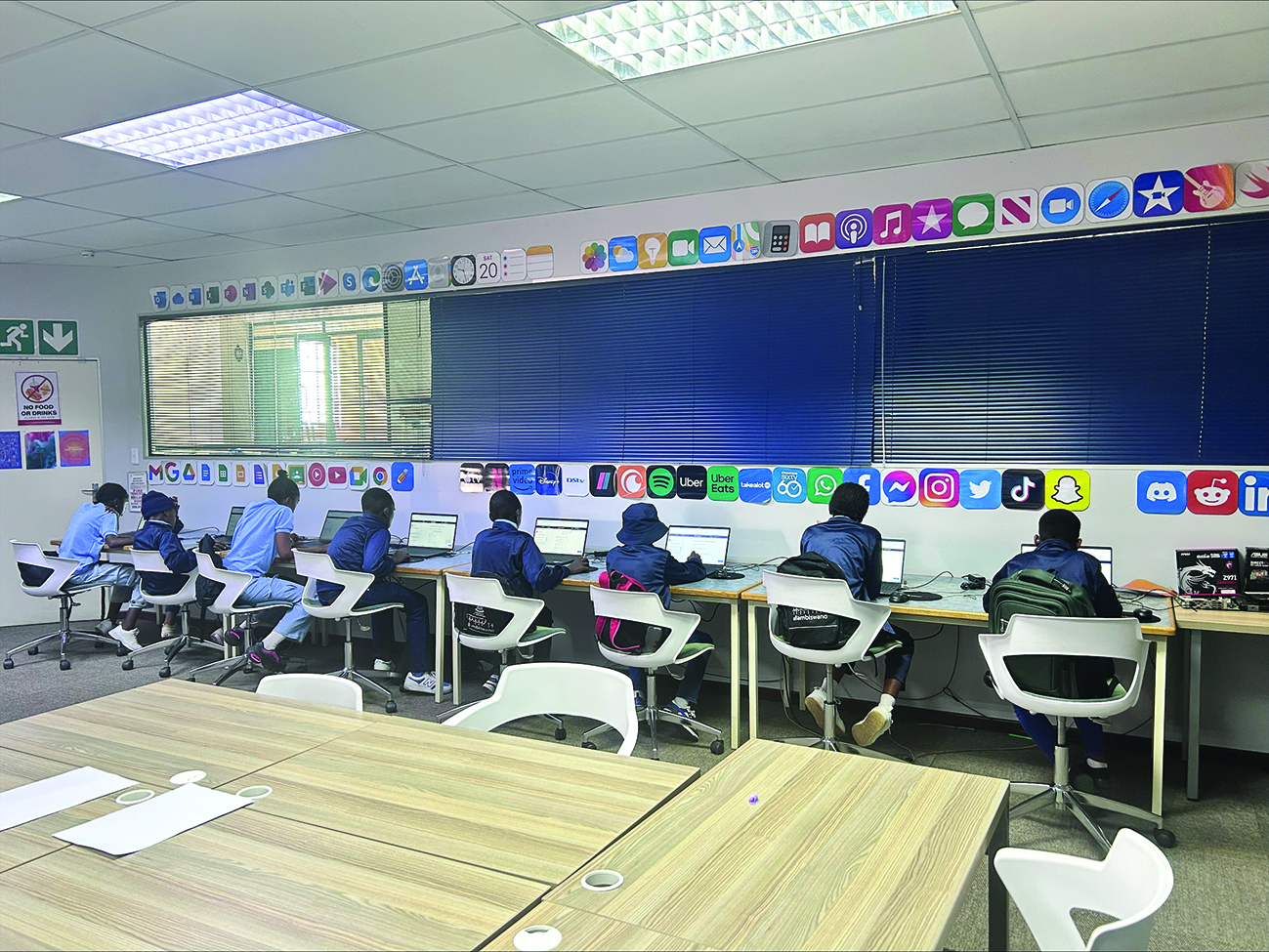
Concor’s approach is structured around two complementary streams: structured long-term SED programmes and more responsive Corporate Social Investment (CSI) initiatives. The SED stream focuses on carefully monitored, multi-year interventions that support early learning interventions while also addressing foundational learning gaps in senior primary and secondary school learners.
“We partner with carefully selected well established non-profit organisations with proven expertise in education which allows us to track real impact over many years,” she says. “These programmes are deliberately designed to work across the education pipeline – from early childhood development and primary school through to secondary education.”
Importantly, Concor targets learners who are often overlooked, rather than focusing only on top achievers. This includes orphans and vulnerable children as well as learners who require additional support to strengthen foundational skills and improved learning outcomes. The aim is to invest in improving foundational competence so that these learners are not excluded from further education or employment opportunities.
“Each year, pass rates are celebrated but when we examine the quality of those passes, the challenge becomes clear,” De Figueiredo notes. “Our contribution is about encouraging more learners into STEM subjects, while also strengthening their capability in those subjects so they can access tertiary institutions or meaningful work.”
Concor’s NGO partners provide structured academic support, including holiday and Saturday classes, as well as access to better-resourced learning environments. Progress is tracked against baseline assessments, with improvement targets set for individual learners rather than grades alone.
The company’s social responsibility also extends to people living with disabilities. Examples include projects which support learners with visual impairments through funding the translation of curriculum materials into Braille and providing technology skills training. Concor also contributed to the development of “My Safety Workshop” materials, designed to enhance personal safety for children with neurodivergent learning needs.
Many CSI initiatives are closely aligned with Concor’s operational footprint and shaped by the realities of the communities surrounding its projects.
“At the start of each project, we engage with local stakeholders to understand the most pressing needs,” De Figueiredo says. “While education and skills development remain important, many communities face immediate challenges such as food security, health care and access to basic resources.”
On a remote wind farm project in the Northern Cape, for example, Concor sponsored stationery packs, early childhood development resources, medical equipment and learner transport. In other locations, the company has supported environmental rehabilitation initiatives, career guidance days and the supply, fitment and installation of containers classrooms. In a mining area in Mokopane, Limpopo, Concor’s head office and a site project jointly funded a Grade 12 support programme delivered by a respected local NGO.
“It is essential to manage community relationships at site level,” De Figueiredo concludes, “so that we build genuine, lasting connections between our project teams and the communities in which we operate.”
