
While building materials have come and gone often falling out of favour due to practical reasons concrete has remained the backbone of modern construc
While building materials have come and gone often falling out of favour due to practical reasons concrete has remained the backbone of modern construction.
It has been in use for thousands of years and continues to be the most widely employed material across the globe due to its affordability and longevity. Structures built today in concrete may well still be standing centuries from now which clearly demonstrates its unmatched durability.
Concrete combines attributes that few other materials can match. It can be shaped into nearly limitless forms, set as hard as stone and carry significant structural loads. It can be used in modest housing projects or towering high-rise buildings, in bridges, tunnels, industrial facilities and critical infrastructure.
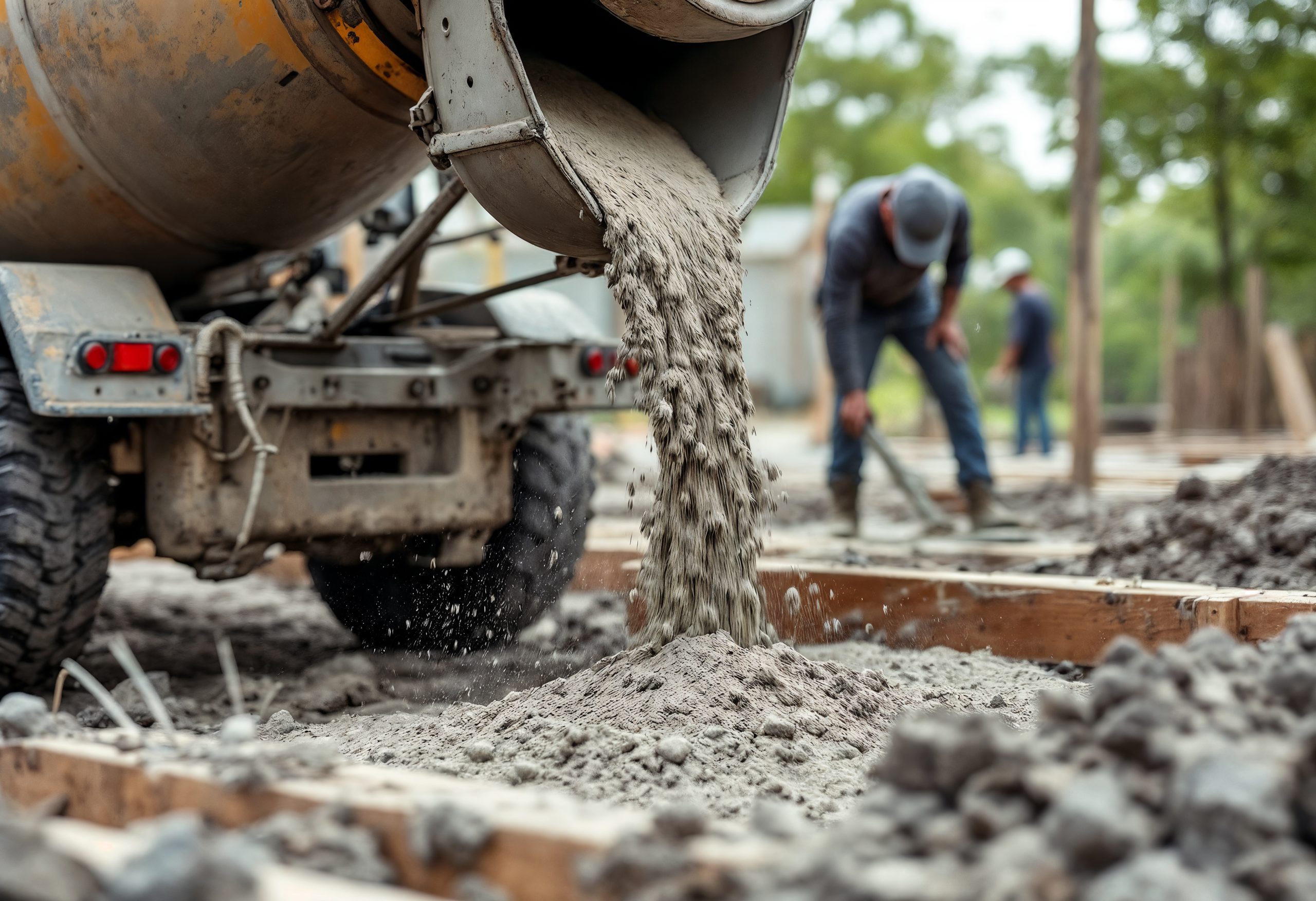
However, perhaps the most important evolution of concrete in modern times is the development and use of readymix on large-scale projects with ready to place quality concrete delivered directly to the site and poured with minimal handling. Readymix concrete popularity continues to grow worldwide and is driven by practical considerations and its performance under extreme conditions.
No other material can compete in terms of cost per structure and added to this concrete is thermally dense, fire-resistant, impact-resistant and able to withstand seismic forces. Its resilience even extends to man-made hazards giving it an edge where security and safety are critical. Advances in material science have further expanded its capabilities.
Additives and new techniques nowadays even allow concrete to compete with materials designed for specific properties whether that be lightweight construction, long-span structures or support for glass facades. Furthermore, architects and planners can approach a project with a clean slate confident that concrete will meet functional requirements while offering flexibility in design.
Modern examples highlight this versatility. The use of reinforced and high-strength concrete in skyscrapers, bridges and transport infrastructure demonstrates its capacity to combine strength with aesthetic appeal. Fire-protection measures and protective cores in high-rise buildings illustrate how concrete contributes not only to structural integrity but also to safety. Roads, railways and freeways built with quality concrete continue to perform under heavy usage with well-designed mixes and careful construction practices.
Despite its adaptability and proven performance, concrete is only as good as its design, specification and placement. Errors can affect structural integrity and long-term durability. A clear understanding of the material and its handling is essential to getting the best results from any concrete project. As far as readymix goes there are some clear guides and principles:
1. On construction sites the first step is to select the right mix for the intended application. Readymix concrete is available in a wide variety of types, each formulated to achieve specific workability, strength and durability characteristics. A mismatch between the mix supplied and the demands of the site can compromise results.
2. Workability, slump and consistency need to be carefully agreed on before ordering along with delivery points, offloading methods and movement of concrete on site. Pumps, wheelbarrows, or other placement methods should be considered to ensure smooth workflow.
3. On complex or large projects technical support from the supplier can be invaluable providing insight into potential challenges and helping to optimise placement and handling.
4. Ordering concrete requires precision and as a result specifications must detail strength requirements, workability, delivery volumes, timing and placement procedures. Any unused concrete can represent wasted material and additional disposal costs making accurate estimation critical.
5. Coordinating deliveries, offloading and placement ensures that concrete retains its desired properties. Fresh concrete has a limited window before it begins to set and delays in offloading can affect workability, consistency and ultimately, the finished structure. Time on site must be managed carefully to avoid both material degradation and additional charges.
6. Once the concrete arrives on site preparation is key. Workers must be ready with appropriate tools and equipment and access for delivery trucks must be clear and safe. Concrete should be placed promptly, handled correctly and cured according to established procedures. Curing is an essential step that directly affects the strength and lifespan of the structure.
7. Testing during and after placement confirms that concrete meets the required standards and ensures that the project proceeds without compromise.
Using ready-mix concrete offers practical advantages over site mixing. It eliminates the need for on-site storage and reduces the risk of theft or material loss. It also keeps the site cleaner and safer allowing better order for contractors to use multiple mixes on the same site simultaneously. This means they can cater to different applications such as foundations, floors, walls, retaining structures and facades at the same time.
Site-mixed concrete, by contrast, typically delivers only one mix at a time and requires time-consuming design, approval and testing procedures. Ready-mix solutions reduce risk and allow for better quality control across all areas of a project. Professional suppliers also bring expertise in environmental management, health and safety, as well as regulatory compliance. Concrete plants operate under strict controls and comply with onsite and transport regulations.
This same expertise extends to consistent material testing and adherence to standards for general-purpose concrete. Contractors and project managers can have confidence that the product delivered will perform as required when handled according to specification. Thereafter it’s the attention to detail on site that counts. The pace at which concrete is offloaded, the manner in which it is placed and the care taken during curing and testing all contribute to the success of a project.
A well-planned workflow minimises disruption, reduces waste and safeguards the structural performance of the finished work. With careful management ready-mix concrete can be placed efficiently achieving both structural and aesthetic objectives without unnecessary risk or expense. At this point it is critical that communication between the design team, contractors and suppliers is clear and all parties must understand the specific requirements of the project, as well as the characteristics of the concrete being used and the correct handling methods.
By planning the sequence of deliveries, placement and curing, builders can avoid common pitfalls that compromise quality. Technical support from suppliers further ensures that any challenges are addressed proactively resulting in a smooth workflow and high-quality construction.
Ultimately readymix concrete is contributing to ensuring that concrete remains an evergreen material that can meet the diverse demands of modern construction while remaining economical and durable. When used correctly ready-mix concrete provides efficient and quality-controlled solution for nearly any project from small residential developments to large-scale infrastructure.
